
Two Kings · Act 5 · Now and next
Bluetooth and Arduino today: the story so far
The research behind 33:42–38:50 of the film · Watch this part
Today Bluetooth means Low Energy: the HC-05's kind of Bluetooth, Classic on its own, is fading, and by 2030 ninety-nine out of every hundred Bluetooth devices shipped will speak Low Energy.2 LE Audio added broadcast with Auracast, version 6.0 added Channel Sounding to measure the distance between two devices, and the newest version is 6.3, from May 2026.5711 Arduino moved with it: the Uno R4 WiFi gets its Bluetooth from an Espressif chip that speaks only Low Energy, and in October 2025 Qualcomm agreed to buy Arduino.151620
Key facts
- In 2025 alone, more than seventy-nine thousand new Bluetooth products were certified.3
- LE Audio was announced in 2020 and finished in 2022. With Auracast, one transmitter can send sound to any number of earbuds or hearing aids, with no pairing at all.45
- In January 2026 Frankfurt Airport began a trial at two gates, sending its gate announcements straight into passengers' own hearing aids and earbuds.6
- Channel Sounding aims for accuracy to a few centimetres; the first devices manage to within about twenty. The first phone to support it, Google's Pixel 10, arrived in August 2025.7910
- Matter, the smart-home standard, leans on Bluetooth: setting up a new light or lock usually starts over Low Energy.13
- The Uno R4 WiFi, from 2023, has an ESP32-S3 beside the main chip. It speaks only Low Energy: Classic Bluetooth, the HC-05's link, isn't on the modern Uno at all.1416
- Qualcomm agreed to buy Arduino in October 2025, the day the UNO Q launched with Wi-Fi and Bluetooth built in, and counted more than thirty-three million active Arduino users.202122
28
facts cited
46
sources, 37 primary
5
common claims corrected
1
archival images
What this part says
The narration, line by line, as it is spoken in the film.
Scale
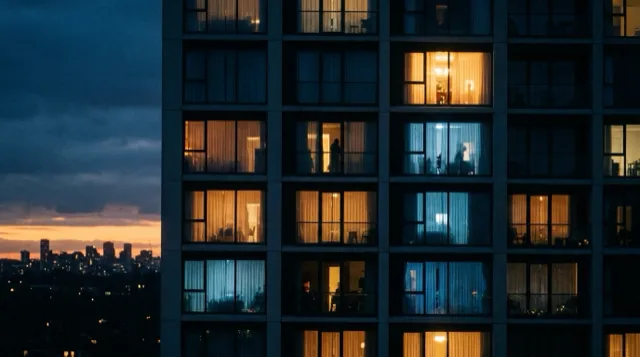
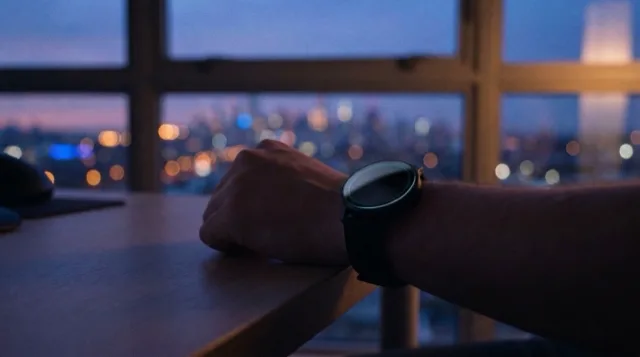
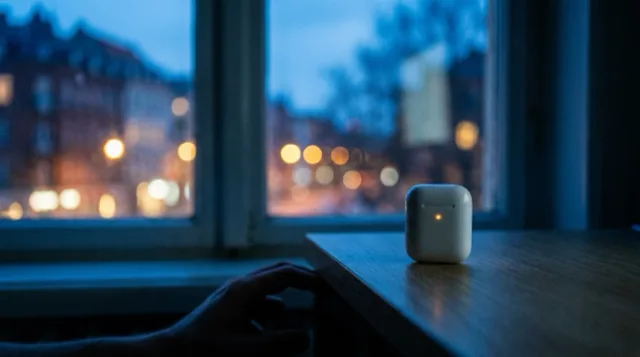
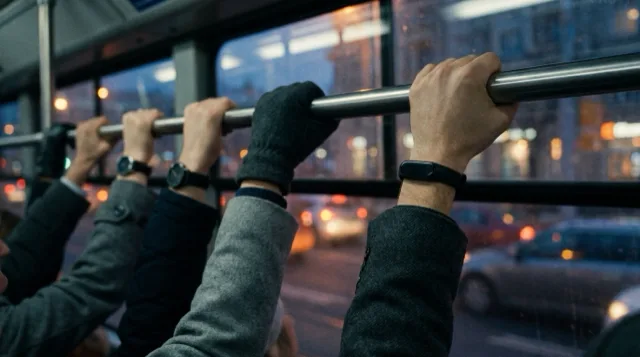
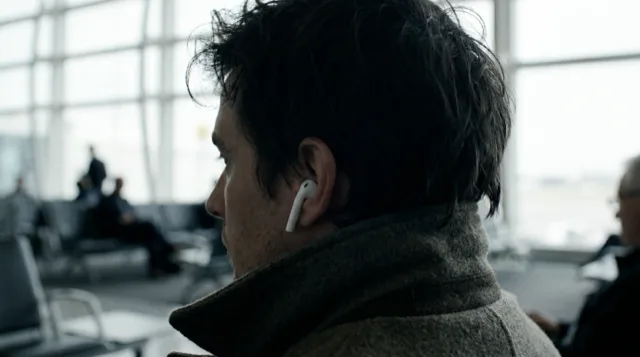
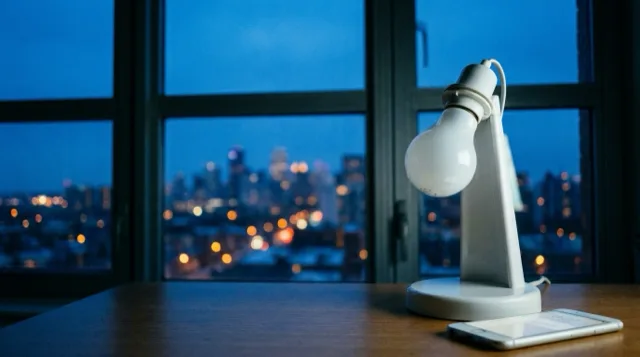
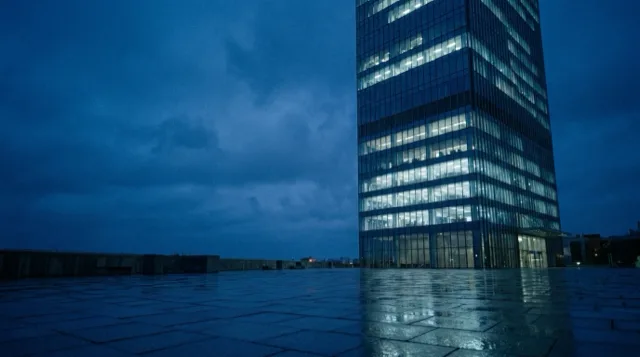
A city at dusk. Watches, earbuds, lamps and keys: small things, waking up and finding each other without a wire.
Harald's name is on more of them every year, and the bench's old question, Classic or Low Energy, is being answered.12
Last year about five and a half billion Bluetooth devices shipped. This year it will be close to six billion, and by 2030 more than eight billion a year.1
In 2025 alone, more than seventy-nine thousand new Bluetooth products were certified.3
The spine resolved
The HC-05's kind of Bluetooth, Classic on its own, is fading. By 2030, ninety-nine out of every hundred Bluetooth devices shipped will speak Low Energy.2
The radio that was added beside the old one has become the radio.
Broadcast
LE Audio was announced in 2020 and finished in 2022.4
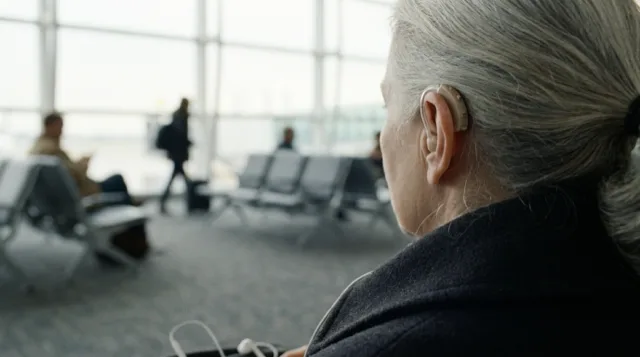
It brought something Bluetooth never had: broadcast. With Auracast, one transmitter can send sound to any number of earbuds or hearing aids, with no pairing at all.5
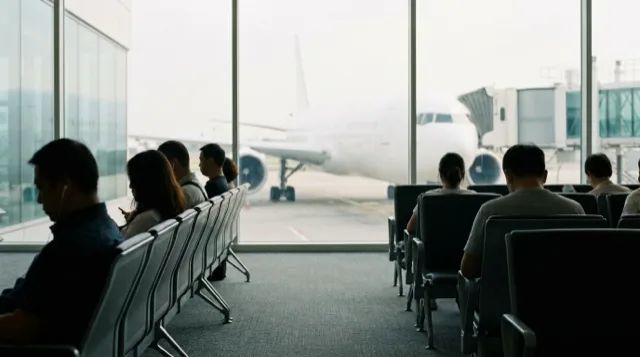
In January 2026, Frankfurt Airport began sending its gate announcements straight into passengers' own hearing aids and earbuds, at two gates, as a trial.6
No code. No 1234. The pairing ritual is gone.
Auracast is also in the Sydney Opera House, Bristol Temple Meads station and St Paul's Cathedral.6
Knowing where
Broadcast changed who can listen. The next change is about distance: not whether something is nearby, but exactly how far away it is.
In 2024, version 6.0 added Channel Sounding, which lets two devices measure the distance between them.7
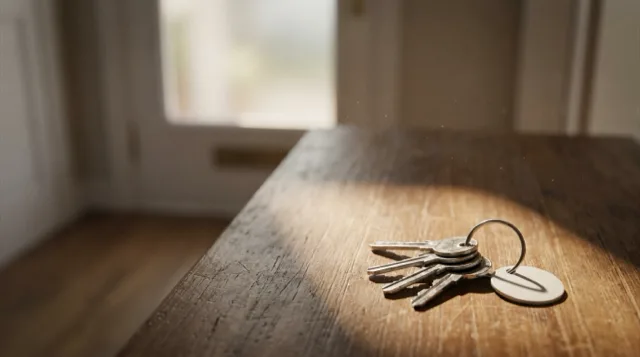
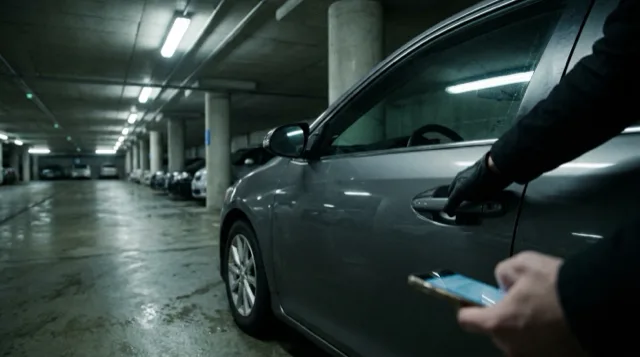
It sends tones back and forth across many channels. A tag can tell you how far away your keys are, and a car door can refuse to open unless the phone really is next to it.8
The goal is accuracy to a few centimetres, and the first devices manage about twenty. The first phone to support it, Google's Pixel 10, arrived in August 2025.910
As this film was made, the newest version of Bluetooth was 6.3, from May 2026.11
It's still refining that same trick: knowing exactly where things are.12
The quiet job
Even the new smart-home standard, Matter, leans on Bluetooth: when you set up a new light or lock, the first conversation usually happens over Low Energy.13
Arduino's bench today
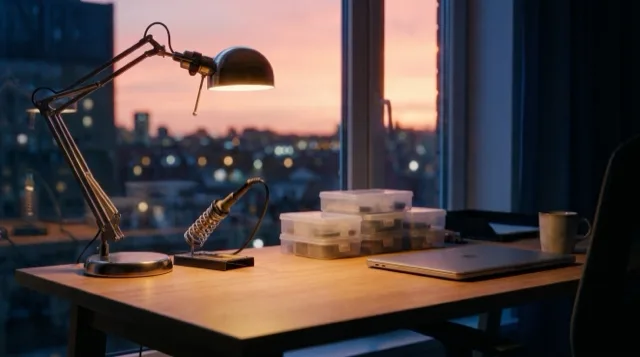
In 2023 even the classic Uno got a radio: the Uno R4 WiFi, with an Espressif chip beside the main one, driven by Arduino's own Bluetooth library.1415
That chip speaks only Low Energy. The serial link the HC-05 used, Classic Bluetooth, isn't on the modern Uno at all.16
By 2023 Espressif had shipped more than a billion chips. And by 2021, Arduino said more than ten million Unos had been sold, not counting the clones.1718
A month after the new Uno came the Nano ESP32, with Espressif's chip at its heart.19
The new owner
In October 2025 Qualcomm agreed to buy Arduino, and a new Uno launched the same day: the UNO Q, half Linux computer, half microcontroller, with Wi-Fi and Bluetooth built in.2021
When it announced the deal, Qualcomm counted more than thirty-three million active Arduino users.22
The company that started in a bar in Ivrea is now part of a chip giant. It has promised that what was open stays open.2324
In 2026 came a bigger sibling for robotics, the VENTUNO Q, with Bluetooth built in.25
Next
The next version, expected before the end of 2026, is set to make Low Energy almost four times faster. And engineers are already working on taking Bluetooth beyond the 2.4 gigahertz band it has lived in since 1999.2627
Into five and six gigahertz.27
Stories that are usually told wrong
Often told as: LE Audio arrived in 5.2 in 2020.
Often told as: Channel Sounding measures distance to within centimetres.
Often told as: The ESP32 dominates the maker bench.
By 2023 Espressif, the company behind the ESP32, had shipped more than a billion chips.
Often told as: 10 million Unos.
By 2021, Arduino said more than ten million Unos had been sold, and that doesn't count the clones.
Often told as: Arduino has 'millions of users'.
When Qualcomm announced the deal, it counted more than thirty-three million active Arduino users.
Common questions
What is Auracast?
LE Audio brought something Bluetooth never had: broadcast. With Auracast, one transmitter can send sound to any number of earbuds or hearing aids, with no pairing at all. In January 2026, Frankfurt Airport began sending its gate announcements straight into passengers' own hearing aids and earbuds, at two gates, as a trial.56
What is the latest version of Bluetooth?
As this film was made, the newest version of Bluetooth was 6.3, from May 2026. The next version, expected before the end of 2026, is set to make Low Energy almost four times faster.1126
What is Bluetooth Channel Sounding?
In 2024, version 6.0 added Channel Sounding, which lets two devices measure the distance between them. Channel Sounding measures distance by sending tones back and forth across many channels. A tag can tell you how far away your keys are, and a car door can refuse to open unless the phone really is next to it. The goal is accuracy to a few centimetres; the first devices manage to within about twenty.789
Does the Arduino Uno R4 WiFi have Bluetooth?
Yes, Low Energy only. On the Uno R4 WiFi, the Bluetooth comes from the Espressif chip beside the main one, and Arduino's own Bluetooth library drives it. That chip speaks only Low Energy. The serial link the HC-05 used, Classic Bluetooth, isn't on the modern Uno at all.1516
Did Qualcomm buy Arduino?
It agreed to, in October 2025. In October 2025 Qualcomm agreed to buy Arduino, and a new Uno launched the same day: the UNO Q, half Linux computer, half microcontroller. The company that started in a bar in Ivrea is now part of a chip giant. It has promised that what was open stays open.202324
Is Classic Bluetooth going away?
The HC-05's kind of Bluetooth, Classic on its own, is fading. By 2030, ninety-nine out of every hundred Bluetooth devices shipped will speak Low Energy.2
The facts and their sources
Primary sources come first: the organisation, person or document itself. Secondary sources are reputable press or reference works.
- 1
Last year about five and a half billion Bluetooth devices shipped. This year it will be close to six billion, and by 2030 more than eight billion a year.
- 2
The HC-05's kind of Bluetooth, Classic on its own, is fading. By 2030, ninety-nine out of every hundred Bluetooth devices shipped will speak Low Energy.
- 3
In 2025 alone, more than seventy-nine thousand new Bluetooth products were certified.
- 4
LE Audio was announced in 2020 and finished in 2022.
Often told as: LE Audio arrived in 5.2 in 2020.
Why that is not right: Announced at CES in January 2020 with Core 5.2 (isochronous channels). The full specifications (LC3, Auracast) were completed on 12 July 2022. - 5
LE Audio brought something Bluetooth never had: broadcast. With Auracast, one transmitter can send sound to any number of earbuds or hearing aids, with no pairing at all.
- 6
In January 2026, Frankfurt Airport began sending its gate announcements straight into passengers' own hearing aids and earbuds, at two gates, as a trial.
- 7
In 2024, version 6.0 added Channel Sounding, which lets two devices measure the distance between them.
Often told as: Channel Sounding measures distance to within centimetres.
Why that is not right: Centimetres is the design goal; early devices manage about ±20 cm.- primaryBluetooth SIG — what's new in 6.0
- secondaryHackaday, 6 Sep 2024
- 8
Channel Sounding measures distance by sending tones back and forth across many channels. A tag can tell you how far away your keys are, and a car door can refuse to open unless the phone really is next to it.
- 9
The goal is accuracy to a few centimetres; the first devices manage to within about twenty.
Often told as: Channel Sounding measures distance 'to within centimetres'.
Why that is not right: The SIG says it is 'expected' to reach centimetre-level accuracy and that 'early implementations' show about ±20 cm. Nordic's phone demo reported ±1 m out to 20 m. - 10
The first phone to support it, Google's Pixel 10, arrived in August 2025.
- 11
As this film was made, the newest version of Bluetooth was 6.3, from May 2026.
- 12
The current version as this film was made is 6.3, released in May 2026, and it is still refining that same trick: knowing exactly where things are.
- 13
Even the new smart-home standard, Matter, leans on Bluetooth: when you set up a new light or lock, the first conversation usually happens over Low Energy.
- primaryCSA — Matter 1.0 arrives, 4 Oct 2022
- primaryCSA — Matter FAQ
- 14
In 2023 even the classic Uno got a radio: the Uno R4 WiFi, with an ESP32-S3 beside the main chip.
- primaryEspressif — UNO R4 WiFi
- primaryArduino docs — UNO R4 WiFi
- 15
On the Uno R4 WiFi, the Bluetooth comes from the Espressif chip beside the main one, and Arduino's own Bluetooth library drives it.
- 16
That chip speaks only Low Energy. The serial link the HC-05 used, Classic Bluetooth, isn't on the modern Uno at all.
- primaryEspressif — ESP32-S3 (Bluetooth 5 LE)
- primaryArduinoBLE README
- 17
By 2023 Espressif, the company behind the ESP32, had shipped more than a billion chips.
Often told as: The ESP32 dominates the maker bench.
Why that is not right: No primary or neutral source measures a share of the maker market, so 'dominates' is dropped. Espressif, 22 Sep 2023: cumulative shipments 'exceeded one billion', counted from the ESP8266 (2014), so this covers its Wi-Fi-only chips too. - 18
By 2021, Arduino said more than ten million Unos had been sold, and that doesn't count the clones.
Often told as: 10 million Unos.
Why that is not right: Arduino blog 24 Nov 2021: 'The UNO has now sold over 10 million units.' Blog 9 Dec 2021: 'The UNO itself ... has recently crossed the 10 million mark.' The 2023 R4 launch post rephrases it as 'over 10 million users' of the R3.- primaryArduino blog, 24 Nov 2021
- primaryArduino blog, 9 Dec 2021
- primaryArduino blog, 25 Mar 2023
- 19
A month after the new Uno, Arduino put Espressif's chip at the heart of a Nano: the Nano ESP32.
- 20
In October 2025 Qualcomm agreed to buy Arduino, and a new Uno launched the same day: the UNO Q, half Linux computer, half microcontroller.
- primaryArduino blog, 7 Oct 2025
- primaryQualcomm press release, Oct 2025
- 21
The UNO Q has Wi-Fi and Bluetooth built in, with no module to wire.
- primaryArduino docs — UNO Q
- 22
When Qualcomm announced the deal, it counted more than thirty-three million active Arduino users.
Often told as: Arduino has 'millions of users'.
Why that is not right: The 33 million figure is Qualcomm's (press release, 7 Oct 2025, quoted by EE Times: 'over 33 million active users in the Arduino community'). Arduino itself only says 'a community of millions' (arduino.cc home) and 'our community of millions of developers' (Qualcomm FAQ). - 23
The company that started in a bar in Ivrea is now part of a chip giant.
- 24
It has promised that what was open stays open.
- secondaryThe Register, 21 Nov 2025
- secondaryHackster — anything that was open stays open
- 25
In 2026 came a bigger sibling for robotics, the VENTUNO Q, with Bluetooth built in.
- primaryArduino blog, 9 Mar 2026
- primaryArduino blog, 27 Mar 2026
- primaryArduino blog, 3 Sep 2026
- 26
The next version, expected before the end of 2026, is set to make Low Energy almost four times faster.
- 27
Engineers are already working on taking Bluetooth beyond the 2.4 gigahertz band it has lived in since 1999, into 5 and 6 gigahertz.
- 28
In 2006 Nokia announced its own low-power radio, Wibree. A year later it agreed to fold it into Bluetooth, and in 2010 it came back as Bluetooth Low Energy, the headline of version 4.0.
The images
Real photographs and documents used in this part, with their credits and licences. Tap one to see the original.

Dramatised scenes
Places, people and eras for which no footage exists, reconstructed for the film. They are marked DRAMATISATION on screen.




All sources
- primaryArduino blog, 17 Jul 2023
- primaryArduino blog, 24 Nov 2021
- primaryArduino blog, 25 Mar 2023
- primaryArduino blog, 27 Mar 2026
- primaryArduino blog, 3 Sep 2026
- primaryArduino blog, 7 Oct 2025
- primaryArduino blog, 9 Dec 2021
- primaryArduino blog, 9 Mar 2026
- primaryArduino docs — Nano ESP32 (NORA-W106, ESP32-S3)
- primaryArduino docs — UNO Q
- primaryArduino docs — UNO R4 WiFi
- primaryArduino docs — UNO R4 WiFi
- primaryArduino — Qualcomm FAQ
- primaryArduinoBLE README (supported boards, firmware table)
- primaryBluetooth SIG blog, 10 Dec 2025 — Auracast deployments
- primaryBluetooth SIG market dashboard (2026 Market Update; ABI Research data, updated 1 Jul 2026)
- primaryBluetooth SIG — Auracast broadcast audio
- primaryBluetooth SIG — Channel Sounding
- primaryBluetooth SIG — Core 5.2 overview
- primaryBluetooth SIG — Core 6.2 released
- primaryBluetooth SIG — Core 6.3 released, 6 May 2026
- primaryBluetooth SIG — High Data Throughput, 28 Jul 2026
- primaryBluetooth SIG — about us (key figures)
- primaryBluetooth SIG — features in development
- primaryBluetooth SIG — specifications list (6.3 newest adopted core, checked 2026-09-27)
- primaryBluetooth SIG — what's new in 6.0
- primaryCSA — Matter 1.0 arrives, 4 Oct 2022
- primaryCSA — Matter FAQ
- primaryEspressif — ESP32-S3 (Bluetooth 5 LE)
- primaryEspressif — UNO R4 WiFi
- primaryEspressif — over 1 billion chips, 22 Sep 2023
- primaryFraport press release, 28 Jan 2026
- primaryNordic Semiconductor DevZone, 22 Oct 2025 — Pixel 10 first phone with Channel Sounding
- primaryNordic Semiconductor news, 28 Oct 2025 (±1 m to 20 m demo)
- primaryQualcomm 10-Q, quarter to 29 Mar 2026 (no Arduino line)
- primaryQualcomm press release, Oct 2025
- primaryarduino.cc home ('a community of millions')
- secondaryEE Times — Qualcomm to acquire Arduino
- secondaryEE Times — Wibree becomes ULP Bluetooth
- secondaryGSMArena — SIG adopts 4.0 (the SIG's own 2010 release is offline)
- secondaryHackaday, 6 Sep 2024
- secondaryHackster — anything that was open stays open
- secondaryMIT Technology Review, 12 Jun 2007
- secondaryThe Register, 21 Nov 2025
- secondaryaudioXpress — LE Audio completed (Jul 2022)
- secondaryaudioXpress — LE Audio unveiled (CES 2020)
Two Kings: a history of Arduino and Bluetooth, by Troniction. The Bluetooth® word mark and logos are registered trademarks owned by Bluetooth SIG, Inc. Arduino® is a trademark of Arduino S.r.l. Neither endorses this film. Image credits and licences are listed with each image.