
Learn
How serial actually works
The fixes tell you what to change. These tell you why it works that way. Each one pairs with something in the lab you can go and poke at.
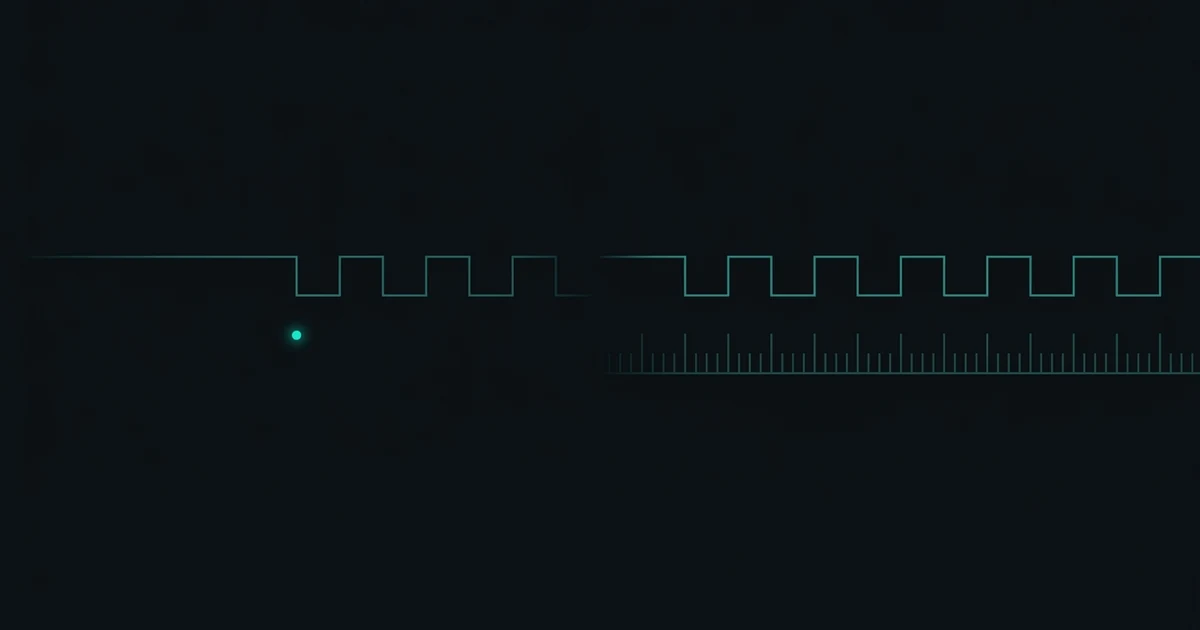
Why does serial have no clock line? The wire it saves, and the price you pay
SPI and I2C send a clock. UART does not, and that single missing wire explains baud rates, start bits, and why two devices must agree in advance.
Pairs with What 8N1 actually means
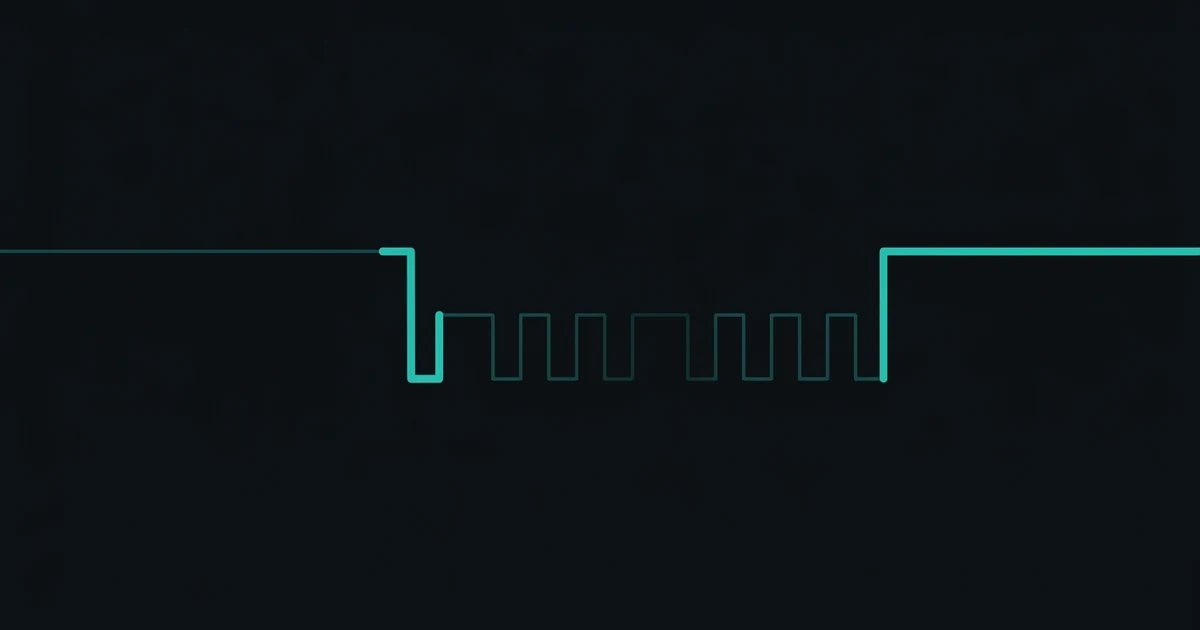
What are start and stop bits for? Two bits that carry no data and cannot be removed
The start bit and stop bit carry nothing and cost you 20% of your bandwidth. Here is the job each one does, and why removing either breaks the link.
Pairs with What 8N1 actually means

Why is 9600 the default baud rate? A crystal, a teleprinter, and a lot of doubling
9600 is not a round number and not a fast one. It survives because of one crystal frequency that divides exactly into it, and a chain of doublings from 1920.
Pairs with Baud mismatch playground
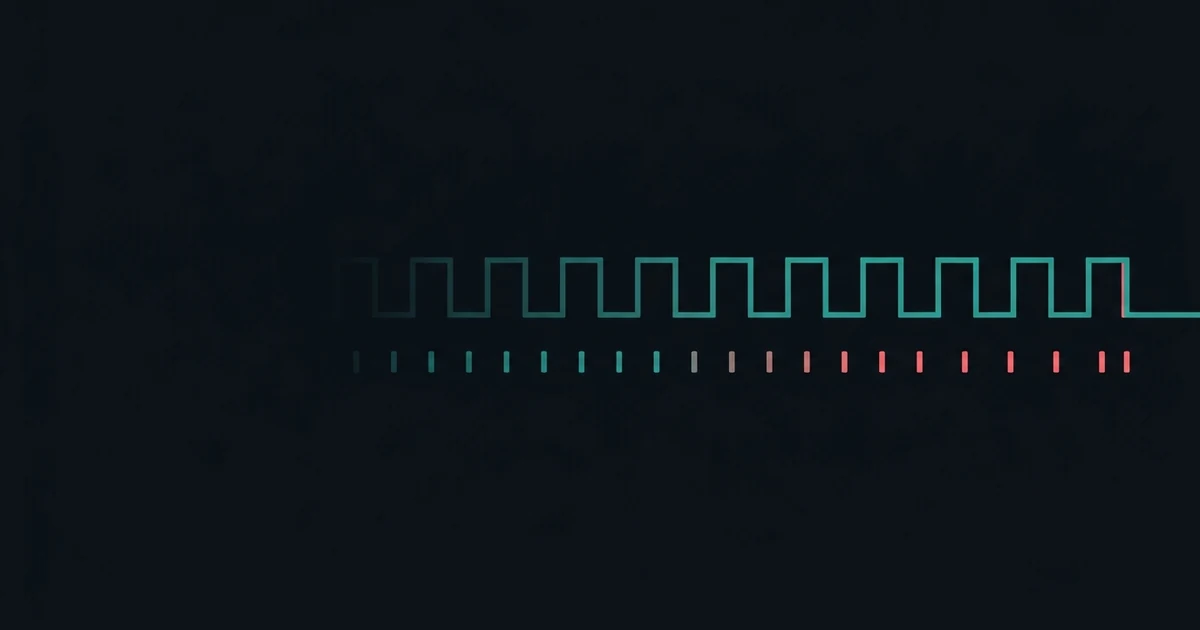
How much baud rate error is too much? The real number is 5.26%, not 2%
The famous 2% baud tolerance is a convention, not a specification. Here is where the real ceiling comes from, why it is 5.26%, and why the stop bit breaks first.
Pairs with How close is close enough?
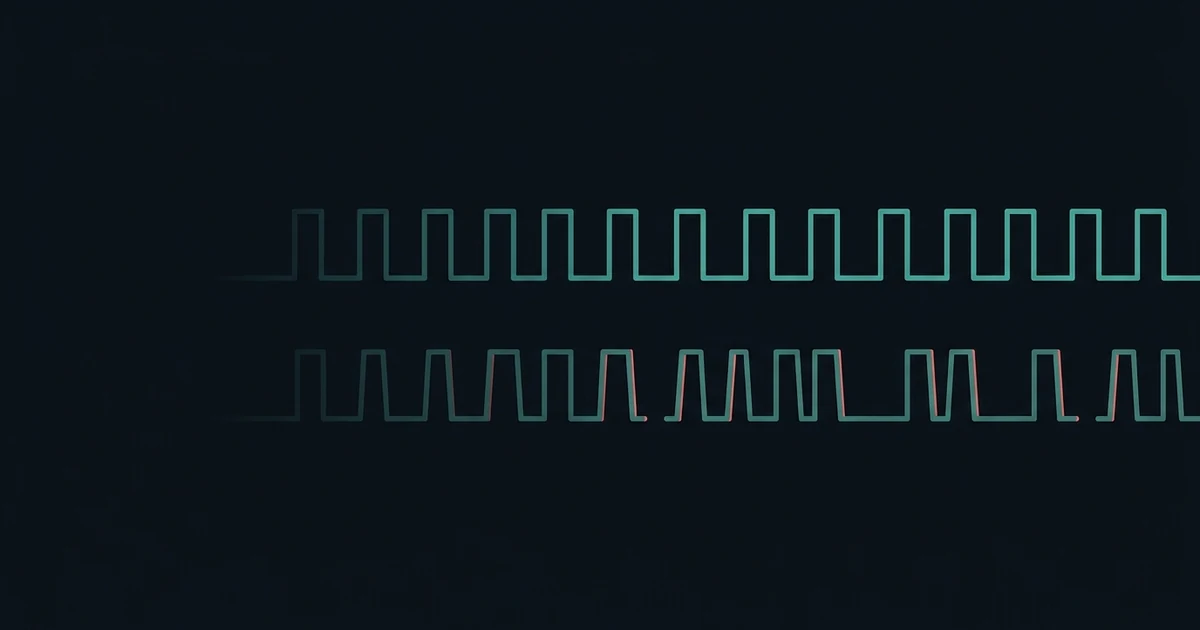
SoftwareSerial vs hardware serial — one is a peripheral, the other is your CPU pretending
SoftwareSerial bit-bangs a UART on the CPU, blocks interrupts while it sends, and only one instance can listen. Here is when that matters and what to use instead.
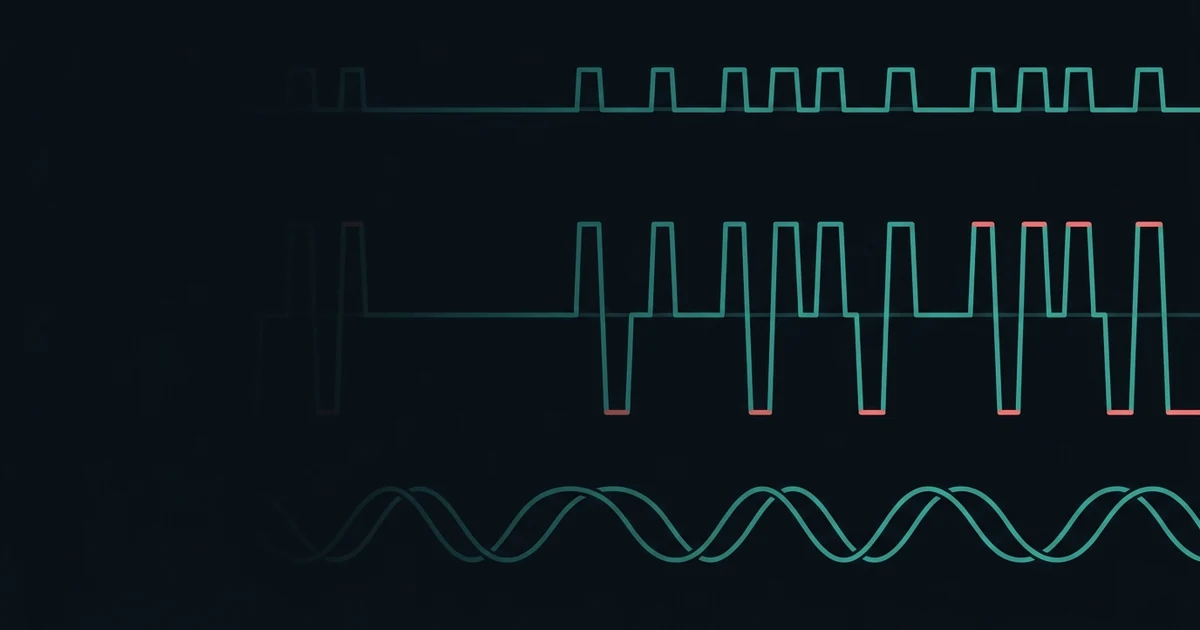
TTL vs RS-232 vs USB serial — same bytes, three completely different wires
All three are called serial and only one is a UART. The framing is identical, the voltages are not, and connecting the wrong two can destroy a pin.
Stuck on a specific symptom right now? The fixes index maps it to the answer. These pages are for afterwards, when you want to know why.