
Two Kings · Act 2 · The king and the bar
The history of Arduino: Ivrea and King Arduin
The research behind 7:00–14:00 of the film · Watch this part
Arduino is named after the Bar di Re Arduino in Ivrea, Italy, where its founders drank; the bar was named after Arduin, a local lord who was King of Italy from 1002 to 1014.242516 The board was built in 2005 at the Interaction Design Institute in Ivrea by Massimo Banzi, David Cuartielles, Tom Igoe, Gianluca Martino and David Mellis.16 It began as a fork of Wiring, the platform Hernando Barragán started there in 2003.14
Key facts
- Arduin, a lord of Ivrea, was made King of Italy in Pavia in 1002, twenty-two days after the emperor Otto the Third died.1225
- Henry was crowned in Pavia in 1004, but went home without defeating Arduin, who went on calling himself king for ten more years.4
- In 1908 Camillo Olivetti opened a typewriter factory in Ivrea; in October 1965 Olivetti showed the Programma 101 in New York.67
- In 2000 Telecom Italia and Olivetti founded the Interaction Design Institute in Ivrea, in a cross-shaped house covered in blue tiles.1011
- Hernando Barragán started Wiring in 2003 for his thesis, and Arduino began in 2005 as a fork of Wiring's code.14
- They named the board after the bar where they drank, the Bar di Re Arduino.24
- They gave the design away: anyone could build, change or sell the board. The only thing they kept was the name.26
34
facts cited
27
sources, 19 primary
2
common claims corrected
14
archival images
What this part says
The narration, line by line, as it is spoken in the film.
A lord of Ivrea
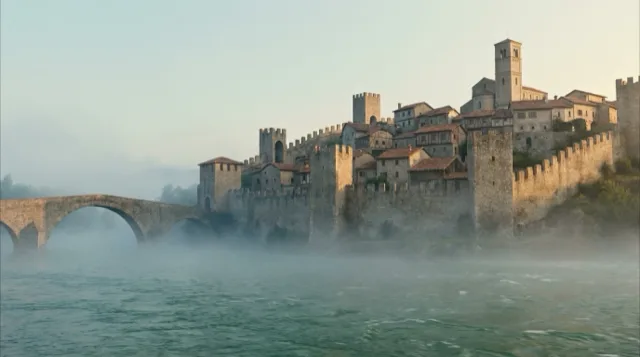
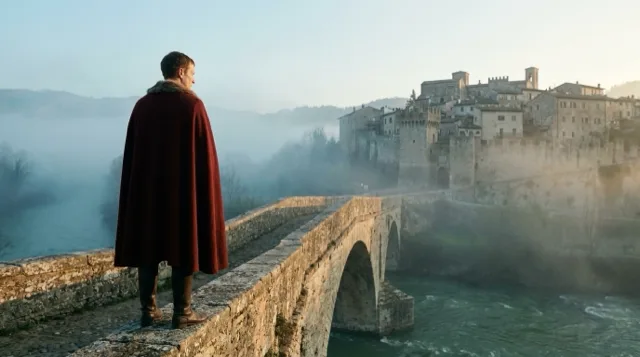
Around 990 a lord named Arduin took over the march of Ivrea. He fought the Church for land, and in 997 his men killed the bishop of Vercelli.1
Two years later, in Rome, in front of the emperor and the pope, Arduin admitted he had led them.1
Twenty-two days
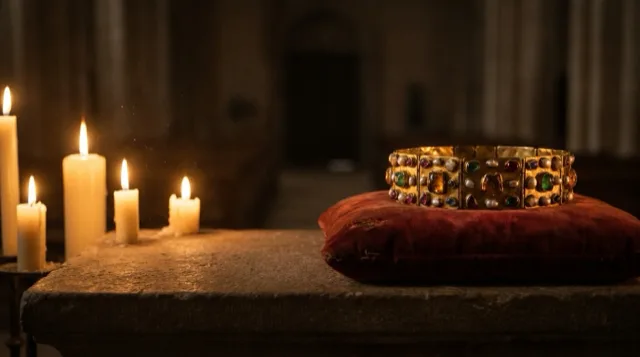
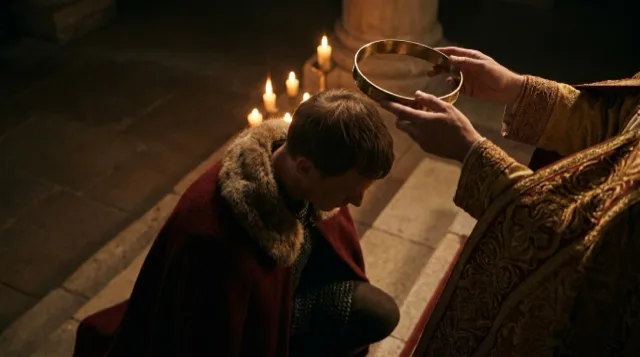
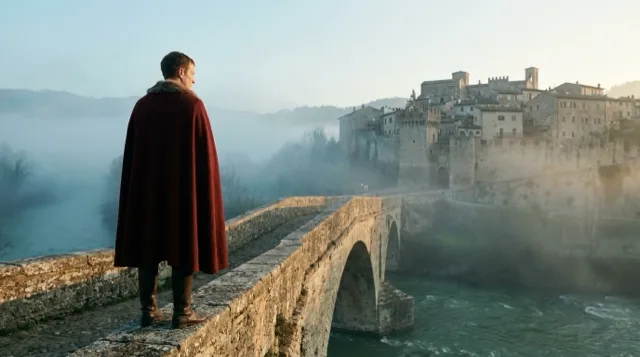
In January 1002 the young emperor, Otto the Third, died. Twenty-two days later, in a church in Pavia, the Italian nobles made Arduin their king.2
His enemies, led by the new bishop of Vercelli, begged the German king Henry to come, and the bishop even wrote it in verse: "Henry, run, hurry."3
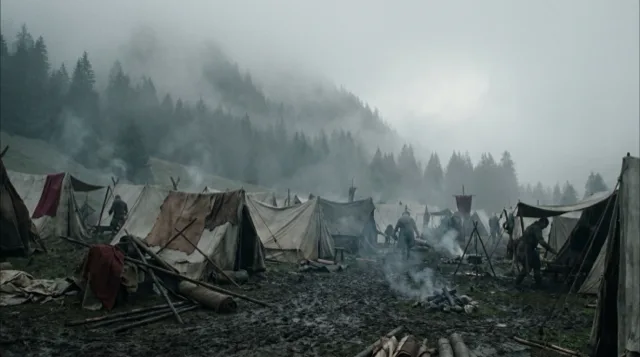
Henry's first army came over the Alps, and Arduin beat it.3
The army that melted away
In 1004 Henry came himself. Arduin's army melted away without a real battle, and Henry was crowned in Pavia.4
But Henry went home without defeating him, and Arduin went on calling himself king for ten more years.4
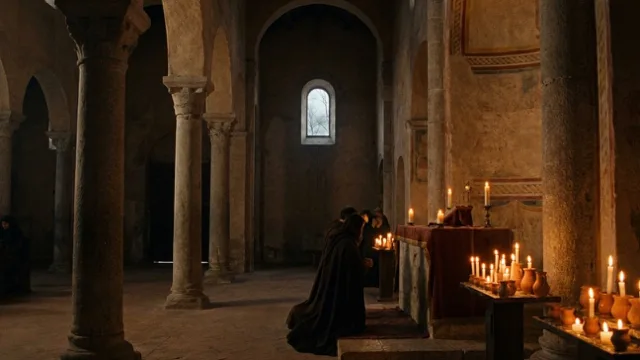
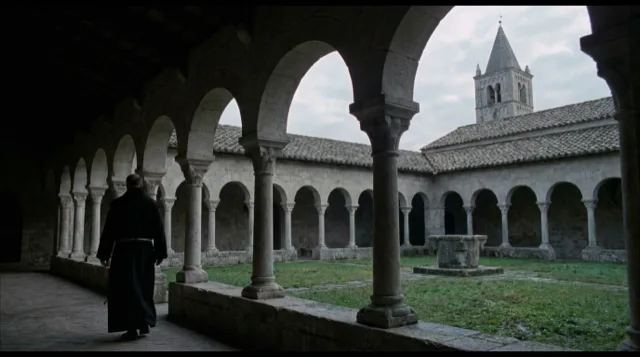
In 1014 he tried one last attack, and failed. He took off the crown and went into the abbey of Fruttuaria, a monastery he had helped to found, a few miles from Ivrea.5
He died there the next year, in the words of the old record, worn out by toil and illness.5
Ivrea's second king
Nine hundred years later, Ivrea had a different kind of king. In 1908 an engineer named Camillo Olivetti opened a typewriter factory there, with twenty workers.6
In October 1965, in New York, Olivetti showed a machine that fit on a desk and that anyone could program: the Programma 101. Many now call it the first desktop computer.7
About forty-four thousand were built, and NASA used them to help plan the first landing on the Moon.8
Today the Olivetti town, from the factories to the workers' houses, is a UNESCO World Heritage Site.9
The school in the blue house
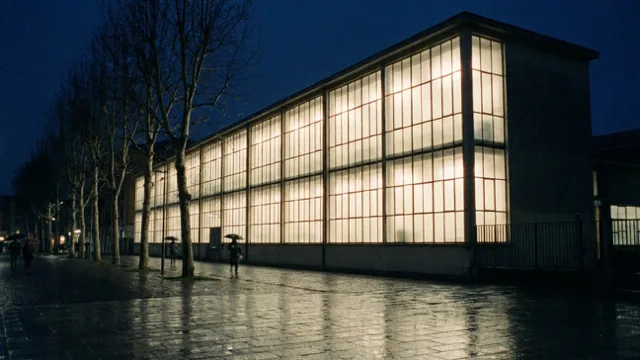
In 2000, Telecom Italia and Olivetti founded a school in the town, the Interaction Design Institute. It moved into an old Olivetti research building, a cross-shaped house covered in blue tiles.1011
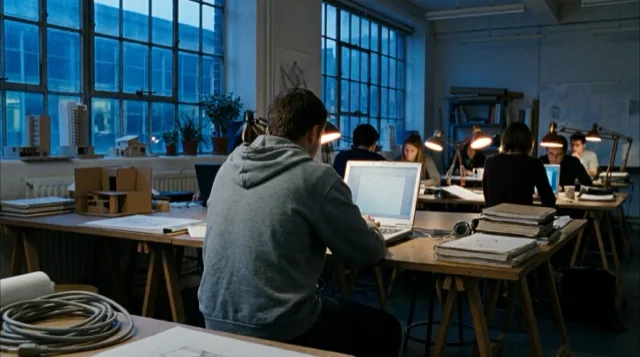
Its students were designers, not engineers. As Banzi put it, they didn't have five years to learn electronics. They had a month.12
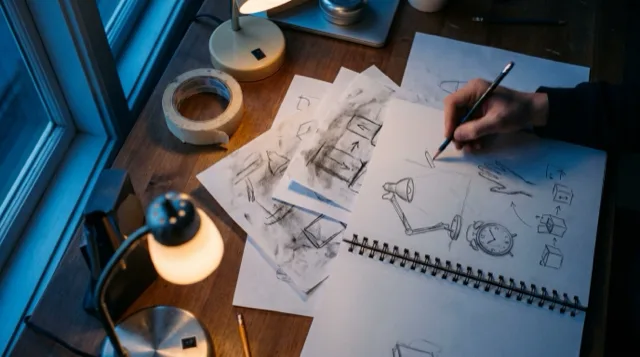
They already had a way to sketch with code. In 2001 two graduate students at MIT, Casey Reas and Ben Fry, had made Processing, and called its programs sketches.13
In 2003 a student at the Ivrea school, Hernando Barragán, started a platform called Wiring for his thesis, supervised by Banzi.14
So the family tree runs Processing, then Wiring, then Arduino. Arduino's own website said so: the language from Wiring, the editor from Processing.15
The blue board
In 2005, five people (Massimo Banzi, David Cuartielles, Tom Igoe, Gianluca Martino and David Mellis) started from Wiring's code and built a cheap board for design students.1614
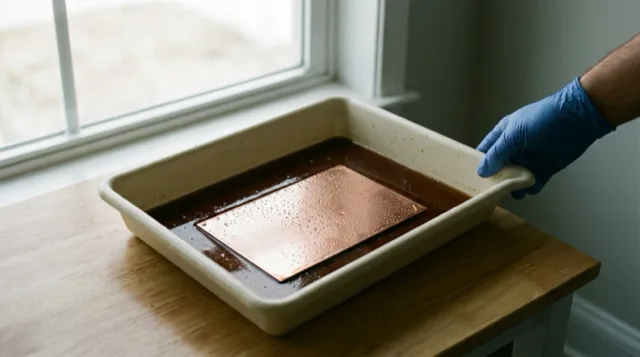
The first boards talked to a computer over an old serial cable. There was even a version you could make at home, in the site's own words, "out of a copper plate and some acid".17
They made it blue, because every other board was green. And on the back they printed a little map of Italy.18
Cuartielles laid it out for students' hands. Two of its parts worked in opposite directions, so he placed them facing the same way, and beginners couldn't solder one in backwards.19
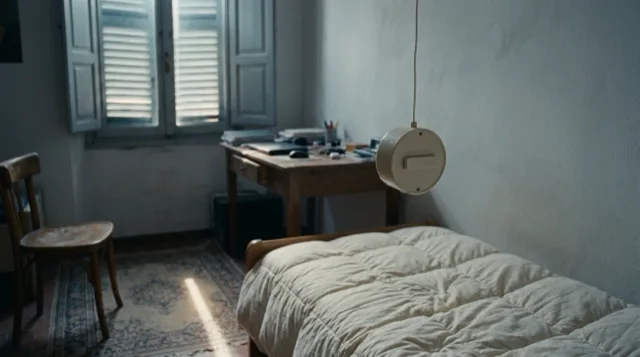
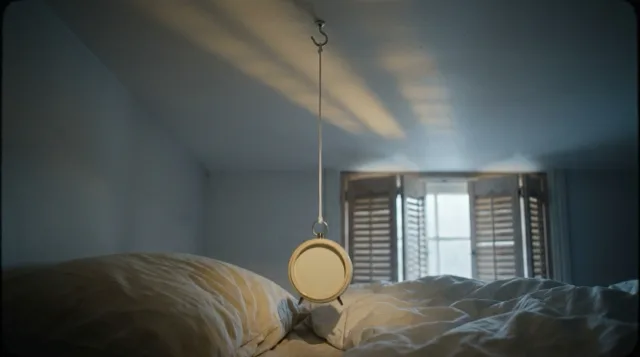
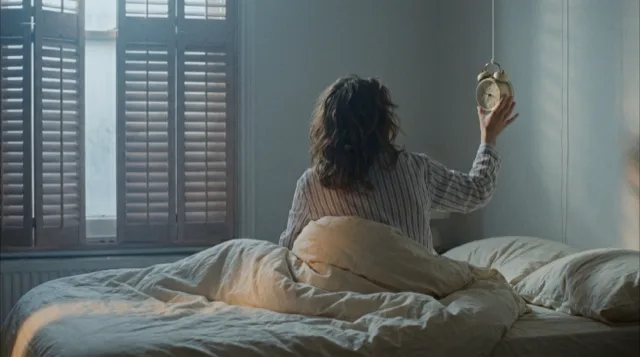
One of the first things a student built was an alarm clock that hung from the ceiling. Every time you hit snooze, it climbed higher, until you had to get out of bed.20
The first run, about three hundred bare boards, came from a small maker near Ivrea in the spring of 2005, and most were given away.21
Later that year came two hundred ready-built boards, and the school bought fifty. "We had no idea how we'd sell the other hundred and fifty," Banzi said later.2122
They were made near Ivrea, at the small company of Gianluca Martino, one of the founders, and one of the real engineers on the team.2321
Now, about that name.
The name and the gift
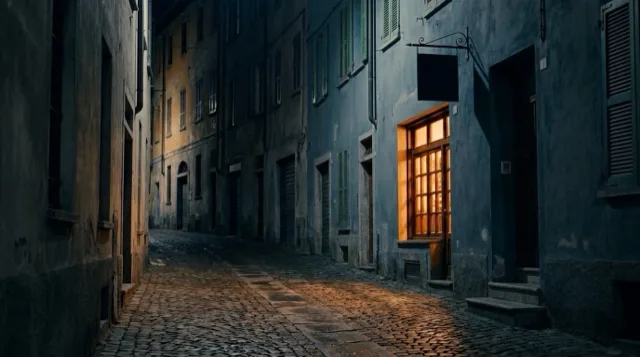
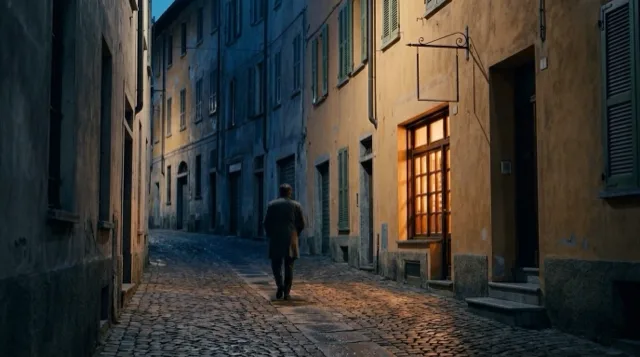
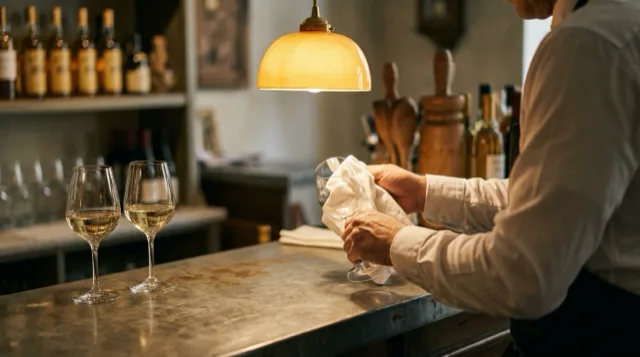
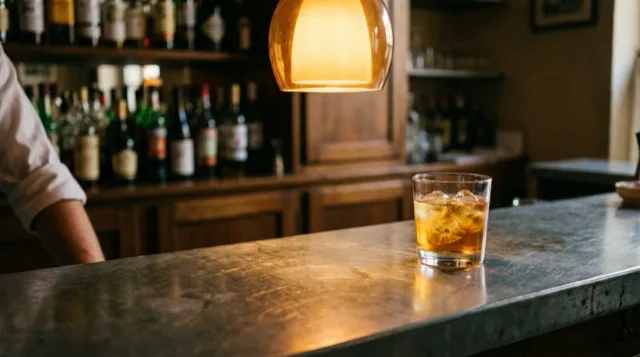
They named it after the bar where they drank, the Bar di Re Arduino: King Arduin's bar.2425
Then the key decision: they gave the design away. Anyone could download the files and build, change or sell the board. The only thing they kept was the name.26
The school didn't last. Its main sponsor cut the money, and in October 2005 it left Ivrea for Milan.27
Banzi has said that's why they opened everything: they were afraid their work would end up in a box. Barragán says Wiring was open from the start.28
Both sides
In 2016 Barragán told his side. Arduino, he wrote, was his Wiring with a cheaper chip and a new name, and he was never asked to join. "I would have gladly helped them."29
The Arduino side is that Wiring's board was too expensive for students, and Banzi wanted something cheaper and simpler. Barragán says that argument never happened.30
I haven't found a public reply from the founders, point by point.31
The bar
The board spread anyway. By 2006 about five thousand had been sold, and the next year thirty thousand. By 2011, more than a quarter of a million, not counting the copies.3233
By 2011, people were travelling to Ivrea just to have a drink at the Bar di Re Arduino. And Banzi said the bartenders had no idea what an Arduino was.34
Two kings, two names, and neither one knew about the other. For a few years the board and the radio lived apart. Then someone put them on the same bench.
Stories that are usually told wrong
Often told as: Arduin was dethroned by Henry II two years after taking the crown (IEEE Spectrum 2011).
Often told as: The Programma 101 was launched at the 1964 New York World's Fair.
Common questions
Why is it called Arduino?
They named it after the bar where they drank, the Bar di Re Arduino. The bar was named after Arduin, a local lord who was King of Italy from 1002 to 1014.2425
Who invented Arduino?
In 2005, at the Interaction Design Institute in Ivrea, Italy, five people (Massimo Banzi, David Cuartielles, Tom Igoe, Gianluca Martino and David Mellis) built a cheap board for design students. In 2003 a Colombian student at the same institute, Hernando Barragán, started a platform called Wiring for his thesis, supervised by Banzi. Arduino began in 2005 as a fork of Wiring's code. In 2016 Barragán told his side. Arduino, he wrote, was his Wiring with a cheaper chip and a new name. He was never asked to join. 'There was no need to create a separate project,' he wrote. 'I would have gladly helped them.'161429
Was Arduin a real king?
Yes. The bar was named after Arduin, a local lord who was King of Italy from 1002 to 1014. In January 1002 the young emperor Otto the Third died. Twenty-two days later, in a church in Pavia, the Italian nobles made Arduin their king. In 1014 he tried one last attack, and failed. He took off the crown and went into the abbey of Fruttuaria, a monastery he had helped to found, a few miles from Ivrea. He died there the next year, in the words of the old record, worn out by toil and illness.2525
Was Arduin dethroned two years after he was crowned?
No. In 1004 Henry came himself. Arduin's army melted away without a real battle, and Henry was crowned in Pavia. But Henry went home without defeating him, and Arduin went on calling himself king for ten more years.4
Why is the Arduino board blue?
They made it blue, because every other board was green. And on the back they printed a little map of Italy.18
What does Olivetti have to do with Arduino?
Ivrea had a second kind of king. In 1908 an engineer named Camillo Olivetti opened a typewriter factory there with twenty workers. In 2000, Telecom Italia and Olivetti founded a school in Ivrea: the Interaction Design Institute. Its first students arrived in 2001. It moved into an old Olivetti research building, a cross-shaped house covered in blue tiles.61011
The facts and their sources
Primary sources come first: the organisation, person or document itself. Secondary sources are reputable press or reference works.
- 1
Around 990 a lord named Arduin took over the march of Ivrea. He fought the Church for land, and in 997 his men killed the bishop of Vercelli. Two years later, in Rome, in front of the emperor and the pope, Arduin admitted he had led them.
- 2
In January 1002 the young emperor Otto the Third died. Twenty-two days later, in a church in Pavia, the Italian nobles made Arduin their king.
- 3
His enemies, led by the new bishop of Vercelli, begged the German king Henry to come. The bishop even wrote it in verse: 'Henry, run, hurry.' Henry's first army came over the Alps, and Arduin beat it.
- 4
In 1004 Henry came himself. Arduin's army melted away without a real battle, and Henry was crowned in Pavia. But Henry went home without defeating him, and Arduin went on calling himself king for ten more years.
Often told as: Arduin was dethroned by Henry II two years after taking the crown (IEEE Spectrum 2011).
Why that is not right: Spectrum's 'dethroned two years later' is the widely repeated version. Britannica: Henry was crowned at Pavia in May 1004 but 'returned home, without defeating Arduin'. Treccani: Arduin only laid down the royal insignia in 1014. - 5
In 1014 he tried one last attack, and failed. He took off the crown and went into the abbey of Fruttuaria, a monastery he had helped to found, a few miles from Ivrea. He died there the next year, in the words of the old record, worn out by toil and illness.
- 6
Ivrea had a second kind of king. In 1908 an engineer named Camillo Olivetti opened a typewriter factory there with twenty workers. His son Adriano started on the factory floor and grew it into one of the great companies of Europe.
- 7
In October 1965, in New York, Olivetti showed a machine that fit on a desk and could be programmed by anyone: the Programma 101. Many now call it the first desktop computer.
Often told as: The Programma 101 was launched at the 1964 New York World's Fair.
Why that is not right: Olivetti's own archive: the prototype was finished at the end of 1964 and the P101 was shown at the BEMA office-equipment show in New York in October 1965. Wikipedia's '1964 World's Fair' is wrong on year; the Fondazione Adriano Olivetti says '1965 New York World Fair'. Designed by Pier Giorgio Perotto's team, styled by Mario Bellini. - 8
About forty-four thousand were built, and NASA used them to help plan the first landing on the Moon.
- 9
Today the whole Olivetti town, from the factories to the houses built for the workers, is a UNESCO World Heritage Site: Ivrea, industrial city of the twentieth century.
- 10
In 2000, Telecom Italia and Olivetti founded a school in Ivrea: the Interaction Design Institute. Its first students arrived in 2001.
- 11
It moved into an old Olivetti research building, a cross-shaped house covered in blue tiles.
- 12
Two Americans, two Italians and a Spaniard, as Banzi put it. Their students didn't have five years to become electronics engineers. They had a month.
- 13
In 2001 two graduate students at MIT, Casey Reas and Ben Fry, made Processing, a simple way for artists to draw with code. They called its programs sketches.
- 14
In 2003 a Colombian student at the same institute, Hernando Barragán, started a platform called Wiring for his thesis, supervised by Banzi. Arduino began in 2005 as a fork of Wiring's code.
- 15
So the family tree runs Processing, then Wiring, then Arduino. Arduino's own website said so: the language from Wiring, the editor from Processing.
- 16
In 2005, at the Interaction Design Institute in Ivrea, Italy, five people (Massimo Banzi, David Cuartielles, Tom Igoe, Gianluca Martino and David Mellis) built a cheap board for design students.
- 17
The first boards talked to a computer over an old serial cable. There was even a version you could make at home, in the site's own words, 'out of a copper plate and some acid'.
- 18
They made it blue, because every other board was green. And on the back they printed a little map of Italy.
- 19
Cuartielles designed the first board for students' hands. Two of its parts worked in opposite directions, but he laid them out facing the same way, so beginners wouldn't solder one in backwards.
- 20
One of the first things a student made was an alarm clock that hung from the ceiling. Every time you hit snooze, it climbed higher, until you had to get out of bed.
- 21
The first run, about three hundred bare boards, came from a small maker in Strambino, near Ivrea, in the spring of 2005. Most were given away. The two hundred ready-built boards came later that year.
- 22
The first batch was two hundred boards. The school bought fifty. 'We had no idea how we'd sell the other hundred and fifty,' Banzi said later.
- 23
The boards were made near Ivrea, at the small company of the fifth founder, Gianluca Martino, the one real electronics engineer among them.
- 24
They named it after the bar where they drank, the Bar di Re Arduino.
- secondaryIEEE Spectrum — Banzi on the bar
- 25
The bar was named after Arduin, a local lord who was King of Italy from 1002 to 1014.
- secondaryBritannica — Arduin of Ivrea
- 26
Then the key decision: they gave the design away. Anyone could download the files and build, change or sell the board. The only thing they kept was the name.
- 27
It didn't last. Its main sponsor cut the money, and in October 2005 the school left Ivrea for Milan and was folded into another design school.
- 28
Banzi has said the closing of the school is why they opened everything: they were afraid their work would end up in a box. Hernando Barragán, whose Wiring they had built on, says it was open source from the start.
- 29
In 2016 Barragán told his side. Arduino, he wrote, was his Wiring with a cheaper chip and a new name. He was never asked to join. 'There was no need to create a separate project,' he wrote. 'I would have gladly helped them.'
- 30
The Arduino side is that Wiring's board was too expensive for students, and Banzi wanted something cheaper and simpler. He has said he and Barragán disagreed about that. Barragán says that conversation never happened.
- 31
Arduino never answered him point by point. Its own website had always said, in one line, that the language came from Wiring. Barragán's point is that one line was not enough.
- 32
By 2006 about five thousand had been sold. The next year, thirty thousand.
- 33
By 2011, more than a quarter of a million, and that doesn't count the copies.
- 34
In 2011, Banzi said people were travelling to Ivrea to have a drink at the Bar di Re Arduino, and that the bartenders had no idea what an Arduino was.
The images
Real photographs and documents used in this part, with their credits and licences. Tap one to see the original.

.jpg)


.jpg)


Dramatised scenes
Places, people and eras for which no footage exists, reconstructed for the film. They are marked DRAMATISATION on screen.
 40:00
40:00Two Kings: a history of Arduino and Bluetooth
This part starts at 7:00. The full film is 40:00 long: two kings, a radio, a board, and how they ended up on the same bench.
Link added at releaseAll sources
- primaryArduino blog — One board to rule them all: history of the UNO (9 Dec 2021)
- primaryAssociazione Archivio Storico Olivetti — Alle origini del personal computer: la P101
- primaryAssociazione Archivio Storico Olivetti — Cronologia 1908–1977
- primaryBarragán — The untold history of Arduino
- primaryComplaint, Arduino, LLC v. Arduino S.r.l., ¶41–47
- primaryJohn Thackara (start-up team member) — IDII 2000–2003
- primaryMake: — Massimo Banzi, Fighting for Arduino (2015, Banzi's own words)
- primaryMassimo Banzi, TED Global 2012 — transcript
- primaryProcessing — overview (Reas and Fry)
- primaryUNESCO World Heritage Centre — Ivrea, industrial city of the 20th century (Wayback, Jan 2025)
- primaryarduino.cc 'So you want to make an Arduino', Dec 2008 (Wayback)
- primaryarduino.cc Credits, Dec 2008 (Wayback)
- primaryarduino.cc FAQ, Jan 2008 (Wayback)
- primaryarduino.cc Hardware page, March 2006 (Wayback)
- primaryarduino.cc Introduction, Mar 2016 (Wayback)
- primaryinteraction-ivrea.it — Milan (Wayback, Jan 2007)
- primaryinteraction-ivrea.it — the Association (Wayback, Nov 2006)
- primaryinteraction-ivrea.it — the Institute (Wayback, Dec 2005)
- primaryinteraction-ivrea.it — the blue house (Wayback, May 2006)
- secondaryBritannica — Arduin of Ivrea
- secondaryBritannica — Arduin of Ivrea (Wayback, Nov 2024)
- secondaryFondazione Adriano Olivetti — P101
- secondaryHackaday — Wiring was Arduino before Arduino
- secondaryIDII unofficial archive (A. Deschamps-Sonsino, former student)
- secondaryIEEE Spectrum — The making of Arduino (David Kushner, 26 Oct 2011)
- secondaryTreccani, Dizionario Biografico degli Italiani — Arduino, re d'Italia (G. Arnaldi, 1962)
- secondaryWired — Build it. Share it. Profit. (Clive Thompson, Oct 2008)
Two Kings: a history of Arduino and Bluetooth, by Troniction. The Bluetooth® word mark and logos are registered trademarks owned by Bluetooth SIG, Inc. Arduino® is a trademark of Arduino S.r.l. Neither endorses this film. Image credits and licences are listed with each image.