
Component
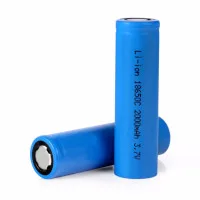
18650 Lithium-Ion Batteries
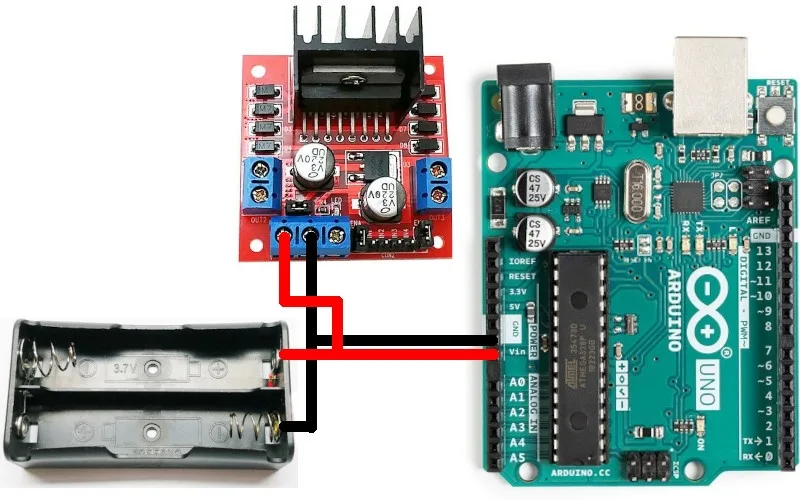
Two 18650 lithium-ion cells in series make the 7.4V that runs the entire car — the motors through the L298N, and the Arduino through its Vin pin.
The numbers that matter
- Nominal voltage: 3.7V per cell, so 7.4V for the pair
- Fully charged: 4.2V per cell — 8.4V for the pair
- Empty: 3.0V per cell. Below about 2.5V you are damaging the cell.
- Honest capacity: 2000 to 3500 mAh
- Size: 18 mm across and 65 mm long, which is where the number comes from
Ignore any 18650 advertised as 9900 mAh. The chemistry tops out near 3500 mAh at this size and nothing on the market beats it. The very cheap high-number cells are usually a much smaller cell packed out with filler. A pair of honest 2000 mAh cells will run the car far longer than a pair of fantasy 9900s.
Flat top or button top
Cells come with a flat positive end or with a small raised button. Most two-cell holders have a spring at one end and will take either, but flat tops make a smaller contact patch and are the more common cause of a car that cuts out over bumps. If you have the choice, take button tops.
Protected cells have a tiny circuit board under the wrapper that cuts the cell off when it is over-discharged or shorted. They are the safer buy and worth the extra. They are also 2 to 5 mm longer, so check they still drop into the holder.
Why two cells and not three
7.4V is the number that makes everything else in the car work.
- The L298N eats about 2V, so the motors see roughly 5.4V — inside their 3V to 6V rating.
- The Arduino's Vin regulator wants 7V or more to hold a steady 5V, and 7.4V clears it.
Three cells give 11.1V, which puts about 9V across a motor rated for 6 and makes the Arduino's regulator run hot for no gain.
The honest weakness of a two-cell pack: as the cells drain toward 3.2V each, the pack falls to about 6.4V — below what the Arduino's regulator needs — and the board can reset while the motors are still turning. If the car starts rebooting mid-drive, the battery is flat. It is not the code and it is not the Bluetooth module.
Safety, and this one is not optional
- Never let anything metal bridge the two ends of a cell. A loose 18650 in a pocket with a key or a coin is the classic way these catch fire.
- Charge them in a proper lithium-ion charger that stops at 4.2V. Never wire a phone charger or a bench supply straight onto a cell.
- A cell that is dented, hot, or swollen goes in the recycling, not in the car.
- Take the cells out of the holder when the car is put away for a while.
- Buying, charging and inspecting the cells is the adult's job in this build. Everything else on the car can be handed over.
Every part of the car
 Arduino Uno R3: pins, power and limits
Brain
Arduino Uno R3: pins, power and limits
Brain
 L298N motor driver with Arduino: pinout, wiring and code
Motion
L298N motor driver with Arduino: pinout, wiring and code
Motion
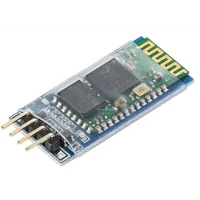 HC-06 Bluetooth module for Arduino
Control
HC-06 Bluetooth module for Arduino
Control
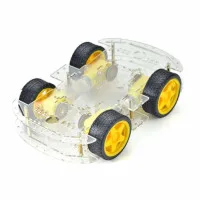 Chassis, Wheels and Gear Motors
Motion
Chassis, Wheels and Gear Motors
Motion
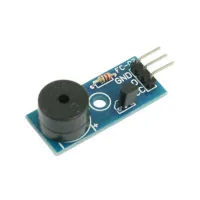 Buzzer
Sound
18650 Lithium-Ion Batteries
You are here
Buzzer
Sound
18650 Lithium-Ion Batteries
You are here
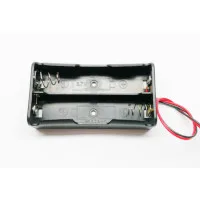 18650 Battery Holder
Power
18650 Battery Holder
Power
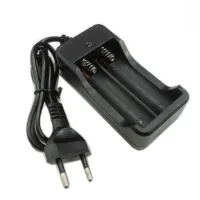 18650 Battery Charger
Power
18650 Battery Charger
Power
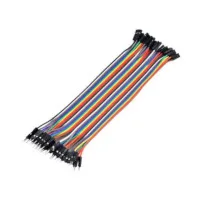 Jumper Wires and Circuit Wire
Wiring
Jumper Wires and Circuit Wire
Wiring
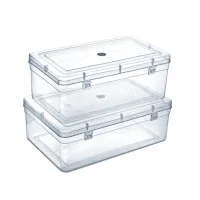 Transparent Enclosure Box
Housing
Transparent Enclosure Box
Housing
Build it. Understand it.
Get the complete illustrated guide and start your first car — free.